
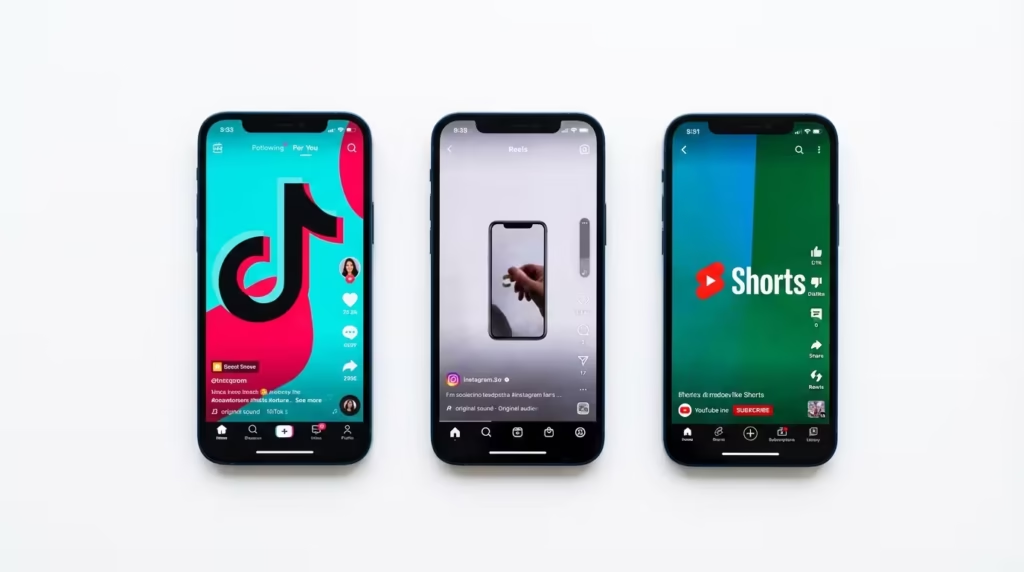
TikTok vs Instagram Reels vs YouTube Shorts: Which Platform Pays More in 2026?
Short-form video is one of the biggest earning opportunities for creators today. But with three major platforms competing for your content, which one actually puts the most money in your pocket?
We analysed creator reports, platform documentation, and earnings data from across the creator economy to give you the clearest picture available in 2026.
Platform Monetisation Comparison Table
| Platform | Programme | Avg. Earnings per 1K views | Minimum Requirements | Payout Method |
|---|---|---|---|---|
| YouTube Shorts | Partner Programme (YPP) | $3 – $6 | 500 subscribers, 3K watch hours | AdSense |
| TikTok | Creator Rewards Programme | $0.50 – $1.00 | 10K followers, 100K views/month | TikTok wallet |
| Instagram Reels | No direct programme | $0 (direct) | N/A | Via brand deals only |

YouTube Shorts — The Highest Earning Potential
YouTube Shorts has become the strongest monetisation option for most creators. Through the YouTube Partner Programme, Shorts creators earn a share of ad revenue from the Shorts feed. The revenue pool has grown significantly since launch, and creators report earning between $3 and $6 per 1,000 views on average.
The additional advantage is that Shorts automatically cross-promote your long-form YouTube content. A Shorts viewer who subscribes then enters your regular content funnel — something TikTok and Instagram cannot replicate as effectively.
Best niche for earnings: Finance, tech, business, and education content commands higher CPMs due to advertiser demand.
TikTok Creator Rewards Programme — Improved but Still Inconsistent
TikTok’s Creator Rewards Programme replaced the original Creator Fund and offers better payouts — typically $0.50 to $1.00 per 1,000 views for eligible videos. Videos must be over one minute, original content to qualify.
Creators report significant variation in earnings depending on niche, audience geography, and watch time completion rate. US and UK audiences earn significantly more than viewers from other regions due to advertiser pricing differences.
What works on TikTok: Authentic storytelling, trending sounds, first-person POV content, and strong hooks in the first two seconds.
Instagram Reels — Monetisation Lagging Behind
Instagram has stepped back from direct creator payment programmes. The Reels Play bonus was discontinued, and current monetisation focuses on Gifts, Badges in Live, and brand partnership facilitation tools.
However, Instagram remains the strongest platform for brand sponsorship deals and affiliate marketing. An engaged audience of 30,000 on Instagram often generates more sponsorship income than a TikTok account with ten times the followers, because Instagram audiences tend to buy.
What works on Instagram Reels: Aesthetic content, transformation videos, lifestyle, food, fashion, and any niche where the audience actively purchases products.
Real Earnings Scenario: 100,000 Views
To make this concrete — here is what 100,000 views is likely to earn you on each platform, based on reported creator data in 2026:
| Platform | Estimated Direct Earnings | Brand Deal Potential | Total Opportunity |
|---|---|---|---|
| YouTube Shorts | $300 – $600 | Medium | High |
| TikTok | $50 – $100 | Medium-High | Medium |
| Instagram Reels | $0 (direct) | High | High (if audience buys) |
The Smart Strategy for 2026
The creators earning the most are not choosing one platform — they are filming once and publishing everywhere. Tools like OpusClip and CapCut AI make it possible to repurpose one piece of content across all three platforms in under 15 minutes.
If you are starting from zero, begin with YouTube Shorts for the highest direct revenue. Build an Instagram presence in parallel for brand deal income. Add TikTok once you have a content production rhythm.
The short video opportunity is still wide open in 2026. The creators who win are the ones who show up consistently — platform algorithms reward volume and retention above everything else.